Blog
Signs a House Needs Rewiring
September 23, 2026 · Lou Flores
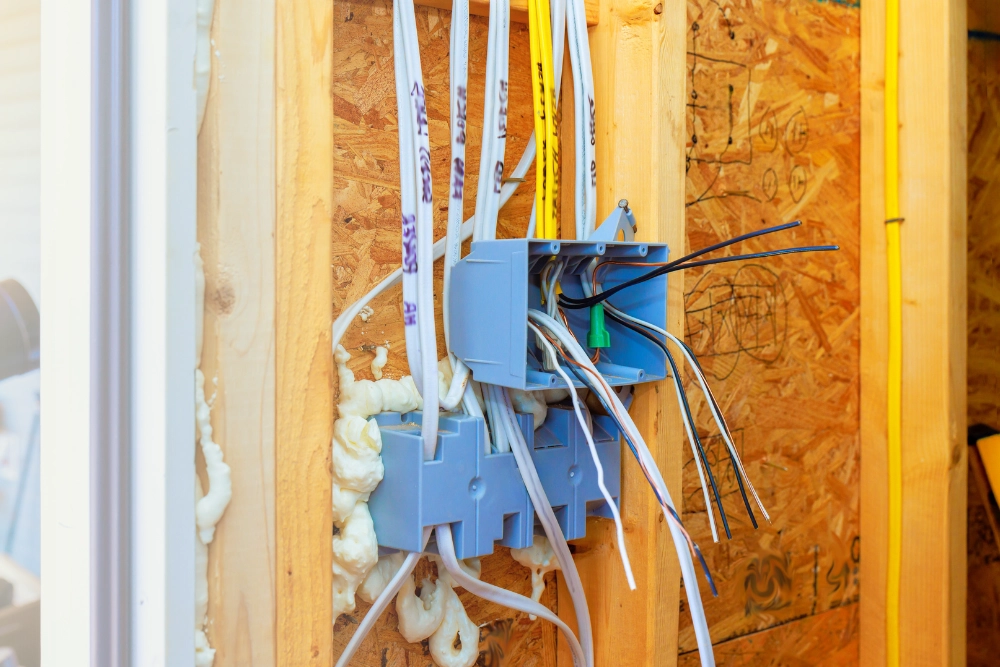
Some of the most common signs a house needs rewiring include frequently tripped breakers, flickering lights, burning odors, warm or discolored outlets, buzzing sounds, outdated wiring, and a lack of grounded outlets.
One warning sign does not always mean your entire home needs to be rewired. Sometimes the problem may be limited to one circuit, outlet, fixture, or electrical panel component. However, recurring electrical problems are worth having professionally inspected before they become more serious.
Below are the signs homeowners should watch for, what they may indicate, and when it makes sense to have your home's wiring evaluated by a licensed electrician.
1. Your Circuit Breakers Trip Frequently
Circuit breakers are designed to shut off electrical current when they detect certain unsafe conditions.
An occasional trip may happen if too many devices are being used on one circuit. If the same breaker repeatedly trips, however, there may be an underlying electrical problem.
Possible causes can include:
- An overloaded circuit
- A short circuit
- A ground fault
- Damaged wiring
- A problem with an appliance or electrical device
- An electrical system that no longer meets the home's power demands
Frequent breaker trips do not automatically mean the whole house needs rewiring, but they are a reason to have the electrical system evaluated.
If the problem involves broader wiring concerns, our residential wiring and rewiring services can help determine what parts of the electrical system may need attention.
2. Lights Flicker or Dim Regularly
A light that flickers because of a loose bulb is usually simple to address.
Flickering or dimming that affects multiple fixtures, occurs repeatedly, or happens when appliances turn on can indicate a larger electrical issue.
Possible causes may include:
- Loose electrical connections
- Overloaded circuits
- Aging wiring
- Problems within the electrical panel
- Electrical demand exceeding what a circuit can comfortably handle
Pay attention to when the flickering happens.
If several areas of your house are affected, or the problem keeps returning, it may be time for a professional electrical inspection.
In some cases, recurring flickering or power interruptions may indicate a problem with an aging electrical panel. Our electrical panel upgrade services address outdated or overloaded panels when an evaluation determines that replacement is necessary.
3. You Notice Burning or Unusual Electrical Odors
A burning, hot-plastic, or unusual electrical smell should not be ignored.
These odors can sometimes indicate overheating electrical components, damaged wiring, or loose connections.
If you notice a burning smell near:
- An outlet
- A switch
- A light fixture
- Your electrical panel
- An appliance connection
Avoid touching or attempting to repair the affected component yourself.
If there is visible smoke, fire, or an immediate electrical hazard, move to a safe location and contact emergency services as appropriate.
For urgent electrical problems that cannot safely wait, we also provide 24/7 emergency electrical services for homeowners throughout the Greater Phoenix area.
4. Outlets or Switches Feel Warm
Electrical outlets and switches generally should not become noticeably hot during normal use.
Warmth, discoloration, scorch marks, or melted plastic around electrical components can point to overheating or a poor connection.
Possible reasons include:
- Loose wiring connections
- Overloaded circuits
- Damaged electrical components
- Deteriorated wiring
- Improperly installed electrical devices
If an outlet or switch feels unusually hot, stop using it until the problem has been evaluated.
This is especially important if the heat is accompanied by buzzing, burning odors, or discoloration.
5. You Hear Buzzing or Crackling From Electrical Components
Your electrical system should generally operate quietly.
Buzzing, sizzling, popping, or crackling sounds coming from outlets, switches, fixtures, or an electrical panel can be signs of an electrical problem.
These sounds may be associated with loose connections, arcing, damaged components, or other wiring issues.
Do not remove an electrical panel cover or open wiring to investigate the source yourself.
A licensed electrician can inspect the affected area and determine whether the problem is isolated or part of a broader wiring issue.
6. Your Home Has Ungrounded Two-Prong Outlets
Two-prong outlets are commonly associated with older electrical systems.
Unlike modern three-prong receptacles, traditional two-prong outlets do not provide the same grounding connection used by many modern electrical devices.
Seeing two-prong outlets does not automatically mean the entire house needs rewiring. However, they can be a clue that the home's electrical system is older and may benefit from a more complete evaluation.
If you own an older home with several two-prong outlets, an electrician can determine:
- Whether grounding is present
- What type of wiring is installed
- Whether individual circuits need updating
- Whether broader residential rewiring should be considered
Replacing a receptacle alone does not necessarily correct underlying wiring or grounding limitations.
7. Your Home Has Old or Outdated Wiring
Older homes may still contain electrical wiring and components installed decades ago.
Age by itself does not tell you whether wiring is safe or unsafe. The condition of the wiring, how the system was installed, later modifications, and the electrical demands placed on it all matter.
Older wiring deserves closer attention if you are also experiencing:
- Frequent breaker trips
- Flickering lights
- Warm outlets
- Electrical odors
- Buzzing sounds
- Damaged insulation
- Limited circuits
- A lack of grounded outlets
If you are not sure what type of wiring your home has, a professional electrical inspection is a safer way to evaluate its condition than trying to access hidden wiring yourself.
Homeowners in established Phoenix neighborhoods may encounter different electrical configurations depending on a property's age and renovation history. Our electrical services in Phoenix, AZ include residential repairs and upgrades for older and newer homes.
8. You Rely Heavily on Extension Cords and Power Strips
Extension cords are useful for temporary situations, but they are not intended to replace permanent household wiring.
If your home does not have enough outlets for normal everyday use, you may find yourself relying on power strips or extension cords throughout multiple rooms.
That can indicate that the electrical layout no longer matches how the home is being used.
Modern households often have more:
- Electronics
- Kitchen appliances
- Home-office equipment
- Entertainment systems
- Charging devices
- High-demand electrical equipment
An electrician can evaluate whether adding circuits, outlets, or other wiring improvements would better support your current electrical needs.
Not every situation requires a complete house rewire.
9. Breakers Trip When Certain Appliances Are Used
Some household appliances place greater demand on an electrical circuit.
If using a particular appliance regularly causes breakers to trip, the circuit may not be properly sized for the electrical load, or there could be another problem that needs diagnosis.
Depending on the situation, the solution could involve:
- Repairing an existing circuit
- Installing a dedicated circuit
- Updating wiring
- Addressing an electrical panel issue
The correct solution depends on the cause, which is why diagnosis should come before deciding that the house needs rewiring.
10. Your Electrical Problems Affect Multiple Areas of the House
One faulty outlet may be an isolated repair.
Electrical problems occurring across several rooms or circuits may point to a broader issue.
For example, you may notice:
- Multiple flickering lights
- Several outlets that stop working
- Breakers tripping on different circuits
- Repeated electrical problems throughout the home
- Multiple outdated or damaged electrical components
The more widespread the symptoms are, the more important it becomes to evaluate the electrical system as a whole.
A professional inspection can help determine whether these issues are related to individual circuits, electrical panel components, or broader wiring conditions.
Does an Old House Automatically Need Rewiring?
No.
The age of a house alone does not determine whether it needs a complete rewire.
What matters is the condition, type, capacity, and safety of the electrical system.
Two homes built around the same time could have very different electrical systems if one has already been renovated or updated.
A professional evaluation can help determine:
- What wiring is currently installed
- Whether it shows signs of deterioration
- Whether grounding is adequate
- Whether circuits are properly serving the home's needs
- Whether previous electrical modifications were completed appropriately
- Whether individual repairs or more extensive rewiring should be considered
This is why visible warning signs and an inspection are more useful than relying only on the age of the property.
Do You Need to Rewire the Whole House?
Not necessarily.
Residential rewiring can range from correcting one circuit to replacing a larger portion of a home's electrical wiring.
The appropriate scope depends on what the inspection finds.
A homeowner may need:
- A localized wiring repair
- A new dedicated circuit
- New outlets or switches
- Wiring added during a renovation
- Updates to older circuits
- Broader whole-home rewiring
A qualified electrician should first determine the cause and extent of the problem before recommending how much wiring needs to be replaced.
This helps avoid treating every electrical symptom as though it requires a complete rewire.
For additional information about electrical system improvements, our frequently asked electrical questions cover residential rewiring, panel upgrades, and other common homeowner concerns.
When Should You Have Your Home's Wiring Inspected?
Consider scheduling an electrical evaluation if you notice recurring problems or several warning signs at the same time.
You may also want an inspection if:
- You recently purchased an older home
- You are planning a major renovation
- You are adding electrical equipment that may increase demand
- You are unsure whether previous electrical work was completed correctly
- Your electrical system has not been evaluated in many years
- Electrical issues continue despite individual repairs
A professional inspection can help distinguish a minor repair from a larger residential rewiring need.
Wiring Concerns in Arizona Homes
Homeowners in Fountain Hills, Phoenix, Scottsdale, and other Valley communities may live in properties of very different ages and electrical configurations.
The right approach is not to assume that every older house needs a full rewire.
Instead, look at the actual condition of the home's electrical system and the symptoms you are experiencing.
We provide residential wiring and rewiring services throughout our service area, including Fountain Hills, Phoenix, Scottsdale, Tempe, Mesa, Chandler, Gilbert, Glendale, Peoria, Paradise Valley, Cave Creek, and Surprise.
If you are seeing several of the warning signs above, we can evaluate the electrical system and help determine what work is appropriate.
Have Questions About Your Home's Wiring?
If you are noticing signs your house needs rewiring, such as frequent breaker trips, flickering lights, warm outlets, unusual electrical odors, or outdated wiring, it is worth having the system professionally evaluated.
At AZ Dave's Electric, we provide residential electrical services for homeowners throughout Fountain Hills and the greater Phoenix Valley.
You can contact our electrical team to discuss your wiring concerns and request service.
Call (602) 737-3815 to discuss your electrical concerns and schedule service.
Frequently Asked Questions
How do I know if my house needs rewiring?
Common warning signs include recurring breaker trips, flickering lights, burning odors, warm or discolored outlets, buzzing electrical components, ungrounded outlets, and widespread wiring problems. An electrical inspection can determine whether the issue requires a small repair or more extensive rewiring.
How often should a house be rewired?
There is no single rewiring schedule that applies to every home. The condition and type of wiring, previous renovations, electrical demand, and any warning signs are more useful indicators than age alone.
Does flickering lighting mean my house needs rewiring?
Not always. A flickering light could result from something as simple as a loose bulb or fixture, but recurring flickering across multiple areas of the home may indicate a larger electrical issue that should be inspected.
Can an electrician replace only part of a home's wiring?
Yes. Depending on the condition of the electrical system, the appropriate solution may involve repairing or replacing only certain circuits rather than rewiring the entire property.
Are two-prong outlets a sign of outdated wiring?
Two-prong outlets are often found in older electrical systems and may indicate that grounding should be evaluated. Their presence does not automatically mean a complete house rewire is required.
Are frequent breaker trips a sign the wiring is bad?
Frequent breaker trips can have several possible causes, including overloaded circuits, electrical faults, equipment problems, or wiring issues. Repeated trips should be professionally diagnosed rather than assumed to be caused by one specific issue.

Need an electrician today?
Call AZ Dave's Electric for service calls, repairs, and panel upgrades across the Valley. Licensed, insured, and available 24/7 for emergencies.
- Phone
- (602) 737-3815
- Address
- 16605 E Avenue of the Fountains
PO Box 20350
Fountain Hills, AZ 85268 - License
- ROC346512