Blog
Electrical Panel Requirements for EV Charger Installation at Home
October 20, 2026 · Lou Flores
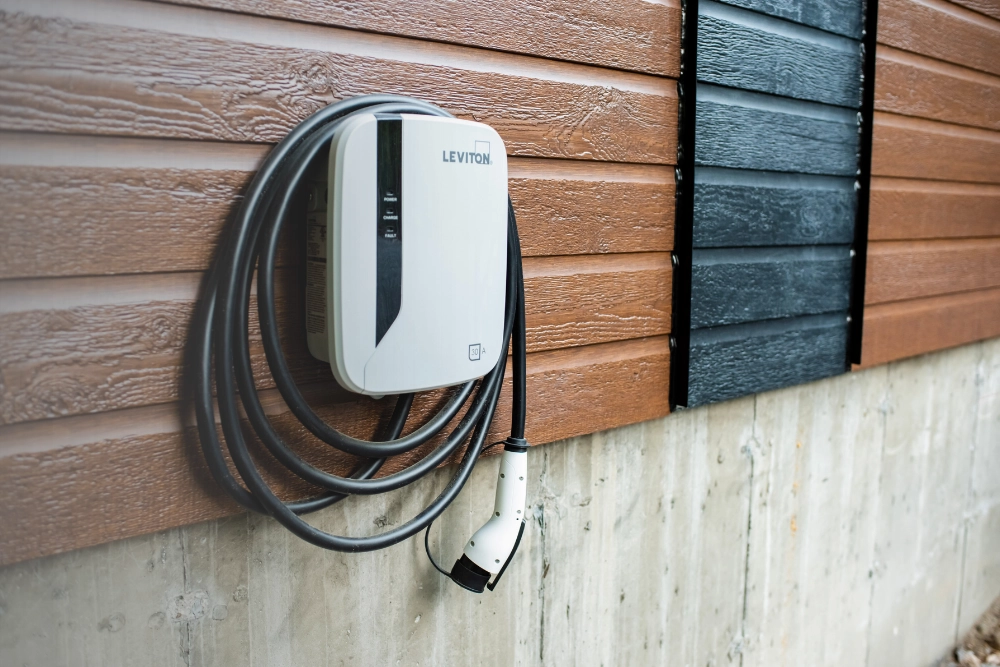
Installing a home EV charger requires careful consideration of your property's electrical infrastructure. Level 2 charging equipment typically requires a dedicated 240-volt circuit, sufficient electrical capacity, properly rated wiring, and appropriate circuit protection. However, a 200-amp electrical panel or complete panel upgrade is not necessary for every installation.
Knowing the electrical panel requirements for EV charger installation helps you find out whether your current panel can handle the extra load. Below, we walk through what your panel needs, when a 100-amp panel can be enough, and when an upgrade makes sense for Arizona homes.
Understanding Electrical Panel Requirements for EV Chargers
A residential electrical panel distributes electricity throughout the property and provides circuit protection against electrical overloads.
Installing an EV charger introduces an additional electrical load, particularly with Level 2 charging equipment. Before proceeding, a licensed electrician should assess the home's electrical service capacity, existing loads, and charging equipment specifications.
The principal electrical requirements include:
Adequate electrical capacity: The electrical system must have sufficient capacity to accommodate the additional charging load.
Dedicated circuit: Level 2 charging equipment generally requires an appropriately rated individual branch circuit.
Proper circuit protection: Circuit breakers must be selected according to the charging equipment's electrical requirements and applicable codes.
Appropriate wiring: Electrical conductors must be correctly sized for the equipment, circuit protection, and installation conditions.
Regulatory compliance: Installation must comply with applicable electrical codes, manufacturer specifications, and local permitting requirements.
Available circuit breaker spaces do not necessarily indicate sufficient electrical capacity. Both factors require professional evaluation before installation.
Do You Need a 200-Amp Electrical Panel for an EV Charger?
A 200-amp electrical panel is not a universal requirement for residential EV charging. Depending on existing electrical loads and charging equipment specifications, some homes with 100-amp service can accommodate an EV charger without upgrading their electrical service.
100-Amp Electrical Panels
A 100-amp electrical service may provide adequate capacity for certain EV charging configurations, particularly in homes with relatively modest electrical consumption.
However, properties with multiple air conditioning units, electric water heaters, electric heating systems, or other high-demand appliances may have limited available capacity.
A professional electrical load calculation is necessary to determine whether the existing system can safely support an additional charging circuit.
200-Amp Electrical Panels
A 200-amp electrical service offers greater overall capacity than a 100-amp service, potentially providing additional flexibility for modern household electrical requirements.
This configuration may be beneficial for properties with multiple large appliances, substantial HVAC requirements, or anticipated electrical additions such as EV chargers and heat pumps.
Nevertheless, a 200-amp service does not automatically guarantee sufficient capacity for additional equipment. An electrical load assessment remains necessary.
Comparing 100-Amp and 200-Amp Electrical Panels
| 100-amp service | 200-amp service | |
|---|---|---|
| Overall capacity | Lower | Higher |
| Level 2 charging | Possible, depending on available capacity | Possible, depending on available capacity |
| Several high-demand appliances | Less room for simultaneous loads | More flexibility for simultaneous loads |
| Load assessment before adding a charger | Required | Required |
| Automatic upgrade for an EV charger | No | No |
The appropriate electrical service configuration depends on the property's total calculated electrical demand rather than the vehicle or charger alone.
Level 1 vs. Level 2 EV Charger Electrical Requirements
Residential EV charging equipment is generally classified into Level 1 and Level 2 configurations. Each has different electrical requirements and charging capabilities.
Level 1 EV Charging
Level 1 charging typically operates using a standard 120-volt electrical supply, according to the U.S. Department of Energy's guide to charging at home.
Level 1 charging is slow, but it can be enough if you drive short distances each day and can charge overnight.
Depending on equipment specifications and installation conditions, a dedicated circuit may be appropriate or required. The existing receptacle and circuit must also be suitable for the continuous electrical load.
Level 2 EV Charging
Level 2 residential charging typically operates at 240 volts and provides faster charging than Level 1 equipment.
These systems are commonly installed in residential garages or designated parking areas and generally require a dedicated electrical circuit.
Typical charging configurations include:
| Charger output | Typical circuit size |
|---|---|
| 16 amps | 20 amps |
| 24 amps | 30 amps |
| 32 amps | 40 amps |
| 40 amps | 50 amps |
| 48 amps | 60 amps |
These examples reflect the National Electrical Code (NEC Article 625) requirement to size circuits for continuous EV charging loads at 125% of the maximum charging current.
For example, a Level 2 charger operating continuously at 40 amps generally requires a 50-amp circuit:
40 amps × 125% = 50 amps
A 48-amp charger typically requires a 60-amp circuit and is generally installed as hardwired equipment.
Actual circuit specifications must comply with applicable electrical codes and the manufacturer's installation instructions.
The Importance of Electrical Load Calculations
An electrical load calculation establishes whether a residential electrical system has sufficient capacity to support additional charging equipment.
This assessment evaluates the property's existing electrical requirements against its available service capacity.
A professional evaluation typically considers:
Existing electrical service rating
Air conditioning and heating equipment
Electric water heaters
Electric cooking appliances and clothes dryers
Existing EV charging equipment
Other significant household electrical loads
Proposed EV charger specifications
For example, a property with 200-amp electrical service may already have substantial demand from several large appliances. Adding a high-output EV charger without evaluating these loads could exceed the system's available capacity.
Conversely, a home with 100-amp service and relatively limited electrical demand may be able to accommodate an appropriately configured charging system.
An accurate load calculation provides the technical basis for determining whether the installation can proceed with the existing electrical infrastructure or requires modifications.
When Is an Electrical Panel Upgrade Necessary for EV Charging?
An electrical panel upgrade may be required when the existing electrical infrastructure cannot safely support the proposed charging equipment.
Several conditions may indicate that an upgrade or other electrical modification is necessary.
Insufficient Electrical Capacity
If the calculated electrical demand exceeds the property's available service capacity, an electrical service upgrade or another approved solution may be necessary.
Outdated or Deteriorating Electrical Equipment
Electrical panels exhibiting damaged components, significant corrosion, overheating, or other safety concerns may require replacement.
Panel age alone does not establish the need for an upgrade. Equipment condition, electrical ratings, and compatibility with the proposed installation are more significant considerations.
Limited Circuit Breaker Space
Some electrical panels lack sufficient space for an additional dedicated charging circuit.
Depending on the installation requirements, an electrician may recommend an approved subpanel or another appropriate configuration.
However, installing a subpanel does not increase the total electrical capacity available to the property.
Future Electrical Expansion
Homeowners planning additional EV chargers, HVAC equipment, or other high-demand electrical appliances may benefit from evaluating their long-term electrical requirements.
Our electrical panel upgrade services help homeowners address electrical capacity limitations and prepare their systems for additional equipment.
Installing an EV Charger Without Upgrading Your Electrical Panel
An electrical panel replacement is not required for every residential EV charger installation.
Depending on the existing electrical infrastructure, several alternatives may be available.
Reduced charging amperage: Certain Level 2 chargers allow their maximum operating current to be configured at a lower level, reducing the electrical demand.
Energy management systems: Approved EV energy management equipment can regulate charging loads to help maintain electrical demand within specified limits.
Existing available capacity: If a professional load calculation confirms sufficient electrical capacity, the charging circuit may be installed without replacing the electrical panel.
Each option requires evaluation by a qualified electrician. Charging equipment, circuit protection, and energy management systems must be compatible and installed according to applicable requirements.
EV Charger Installation Considerations for Arizona Homes
Arizona's climate and residential electrical demands introduce additional considerations when planning home EV charging installations.
Air Conditioning and Seasonal Electrical Demand
Air conditioning equipment can account for a substantial portion of residential electrical consumption during Arizona's summer months.
Homes throughout Fountain Hills, Phoenix, Scottsdale, and surrounding communities may experience considerable cooling requirements during periods of extreme heat.
An electrical load assessment should account for existing HVAC equipment alongside the proposed EV charging system.
Garage and Outdoor Installation Conditions
EV charging equipment must be suitable for its intended installation environment.
Outdoor installations require appropriately rated equipment designed to withstand applicable environmental conditions.
Exposure to high temperatures, direct sunlight, dust, and moisture should be considered when selecting the installation location.
Permits and Electrical Code Compliance
Residential EV charger installations may require electrical permits and inspections, depending on the municipality and scope of work.
Requirements can vary among Arizona jurisdictions.
A licensed electrician can determine applicable installation requirements and help ensure compliance with adopted electrical codes and manufacturer specifications. When we install an EV charger, we handle the permit and inspection for you.
Preparing Your Home for EV Charger Installation
Proper preparation helps establish the electrical requirements and installation conditions before work begins.
Start by choosing your charger and noting its maximum charging current.
If your panel's label is easy to see, note its amp rating too, but leave the panel cover on. Removing it exposes live parts.
Additional considerations include the distance between the electrical panel and proposed charging location, available installation space, and anticipated future electrical requirements.
A qualified electrician can assess these factors, perform the necessary electrical calculations, and recommend an appropriate installation configuration.
Frequently Asked Questions
Can a Level 2 EV charger be installed with a 100-amp electrical panel?
Yes, provided the electrical system has sufficient available capacity. A professional load calculation is necessary to determine whether the existing 100-amp service can safely accommodate the charging equipment.
Does a 50-amp EV charger need a 50-amp breaker?
It depends on what "50-amp" refers to. Many chargers are sold by the circuit they need, so a "50-amp" charger usually draws 40 amps and runs on a 50-amp breaker. A charger that actually draws 50 amps continuously needs a larger circuit under the 125% rule. Always follow the breaker size in the charger's installation manual.
Does an EV charger require a dedicated circuit breaker?
Level 2 EV charging equipment generally requires an individual branch circuit with appropriately rated overcurrent protection. Specific requirements depend on equipment specifications and applicable electrical codes.
Can installing an EV charger overload an electrical panel?
Yes. Installing charging equipment without sufficient electrical capacity may create an overload risk. Professional load calculations, appropriate circuit sizing, and properly installed protective equipment help reduce this risk.
Is an electrical panel upgrade mandatory for home EV charging?
No. An upgrade is necessary only when the existing electrical infrastructure cannot adequately accommodate the proposed equipment or when other electrical conditions require corrective work.
Ensure Your Electrical System Is Ready for EV Charging
Evaluating your home's electrical infrastructure is an essential step toward a safe and reliable EV charging installation. Proper assessment helps determine whether the existing panel can accommodate additional demand or requires modifications.
At AZ Dave's Electric, we provide professional electrical panel upgrades and EV charger installation services throughout Fountain Hills and the Greater Phoenix area.
Our team can evaluate your electrical requirements and recommend solutions appropriate for your property's existing infrastructure and future charging needs.
Call (602) 737-3815 or explore our EV charger installation and panel upgrade services to discuss your home's electrical needs.
Need an electrician today?
Call AZ Dave's Electric for service calls, repairs, and panel upgrades across the Valley. Licensed, insured, and available 24/7 for emergencies.
- Phone
- (602) 737-3815
- Address
- 16605 E Avenue of the Fountains
PO Box 20350
Fountain Hills, AZ 85268 - License
- ROC346512